


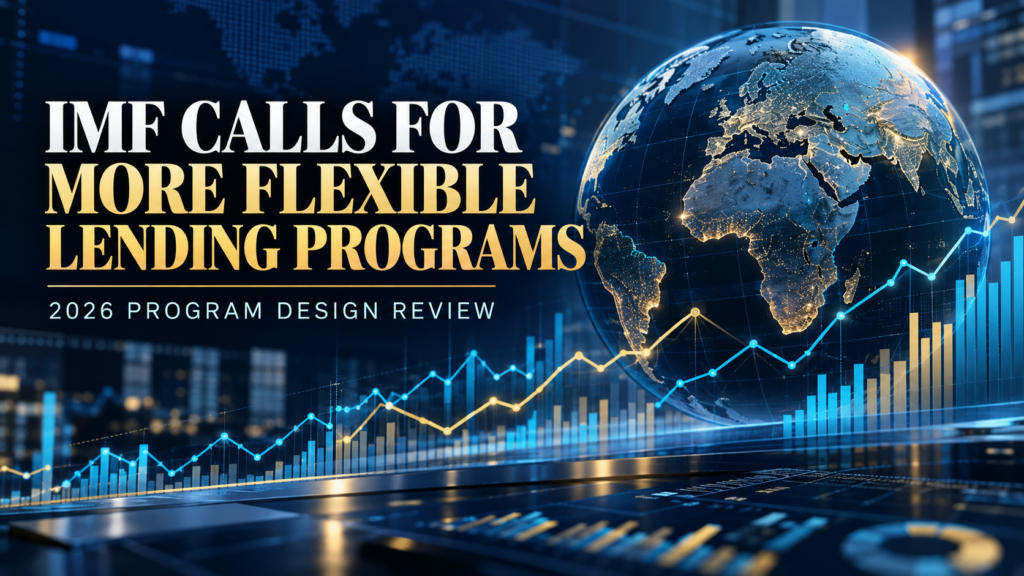
WASHINGTON, D.C. — The International Monetary Fund’s Executive Board has backed targeted changes to the way the IMF designs and monitors lending programs. The changes follow a review of programs from 2018 through 2024, when the COVID-19 pandemic, conflicts, and other disruptions repeatedly tested countries’ economic plans. The Board concluded the review on September 14; the IMF released its findings on September 24. imf.org
The review found that IMF-supported programs often responded quickly when countries faced urgent financing needs. In some cases, that support helped countries avoid especially sharp cuts during a crisis. But restoring a stable financial position over the medium term proved harder where new shocks hit, underlying problems persisted, or agreed measures were not fully carried out. imf.org
The proposed changes would require more realistic assumptions about economic growth, available financing, and a country’s ability to carry out reforms. IMF teams would make greater use of scenarios showing what could happen if conditions worsen, track progress against programs’ original targets, and adjust plans when those targets are no longer achievable. imf.org
The timing of spending cuts and other fiscal measures was a point of caution. Most Executive Directors supported earlier adjustment when it is essential to resolve a country’s financing problem and feasible to carry out. Many cautioned against treating that approach as a general rule. Directors also called for attention to how measures affect people, particularly in low-income countries and states affected by conflict or institutional fragility. imf.org
The review also calls for financing plans that can hold up as conditions change, a clearer focus on reforms essential to each program, and more candid assessments when programs end. The IMF says it will first update guidance and develop tools for its country teams, then move toward broader use of the changes. Its longstanding 2002 Guidelines on Conditionality remain in place. imf.org
For countries seeking IMF assistance, the practical question is whether future programs will be flexible enough to respond to new crises while setting goals governments can realistically meet. The changes outlined in the review are intended to address both problems, but their effects will depend on how they are put into practice.




More Stories
Phoenix Police Investigate Homicide of 41-Year-Old Cynthia Saenz Near 35th Avenue
ICC Updates Judicial Ethics Code With Social Media Rules and Binding Standards
St. Louis Man Faces 15 Counts After Alleged Armed Domestic Assault and Police Chase