



By Habari News | October 11, 2026
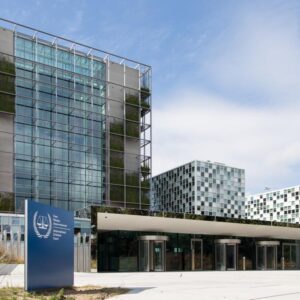
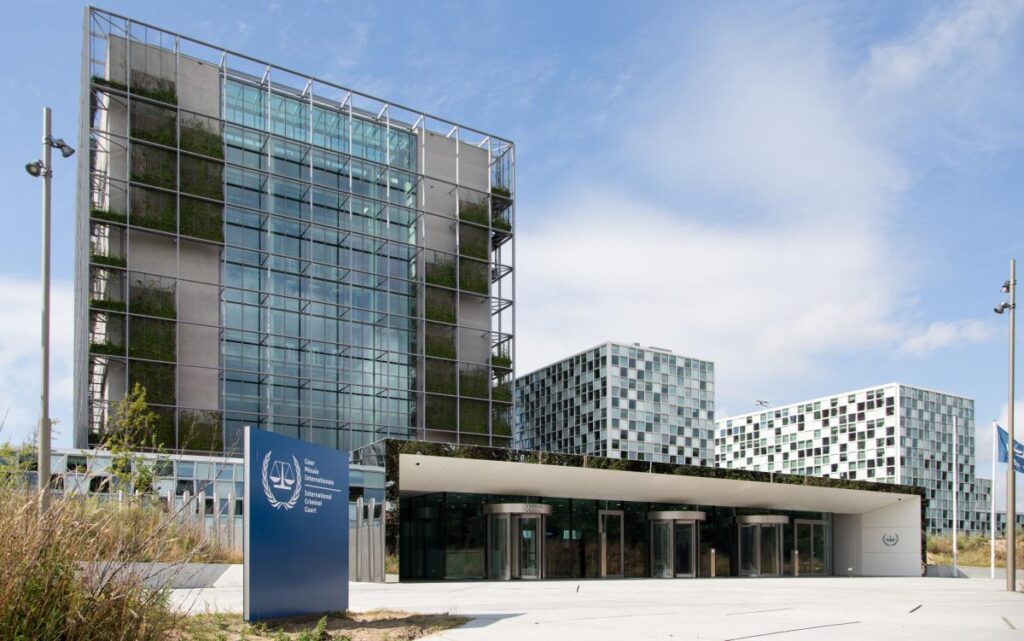
The Trump administration has imposed sanctions on the International Criminal Court as an institution, escalating its confrontation with the tribunal responsible for prosecuting some of the world’s most serious crimes.
In an October 9 statement, the ICC condemned the action as unprecedented, saying it follows sanctions against 13 judges and prosecutors. The Court warned that targeting the institution threatens its independence and the ability of victims of mass atrocities to seek justice.
Established through the Rome Statute and supported by 125 member states, the ICC investigates and prosecutes genocide, crimes against humanity, war crimes and the crime of aggression. The Court described the sanctions as an effort to obstruct its work and undermine the principle that no one stands above the law.
According to the ICC, the designation is intended to disrupt its operations and intimidate people who work for or cooperate with it. The Court’s statement did not detail specific operational disruptions resulting from the latest action.
ICC President Tomoko Akane said the institution would continue carrying out its mandate independently and impartially, guided by the law and evidence. Her message emphasized the Court’s responsibility to victims whose cases depend on international accountability.
The ICC also urged its member states to provide concrete support, including the resources necessary to sustain its work. While the Court said it has taken steps to strengthen the continuity and resilience of its activities, it stressed that defending international justice requires action from the governments that created it.
That call received backing on October 10, when the Bureau of the Assembly of States Parties demanded the immediate revocation of the sanctions. The Bureau warned that measures targeting the Court and its personnel interfere with independent judicial functions and urged the international community to defend the institution.
The latest designation expands the dispute from individual judicial officials to the Court itself. For the ICC and its supporters, the stakes extend beyond the institution’s survival: they concern whether investigations into mass atrocities can proceed without political coercion.
The Court closed its statement by warning that future generations—and victims of grave crimes—will judge whether the international community defended its commitments to justice when those commitments came under pressure.




More Stories
Man Dies After Phoenix Police Shooting at Sunland Avenue Apartment Complex
Missing 9-Year-Old Zhy’Lan Green Found Safe, Phoenix Police Confirm
ICC Assembly Bureau Calls for Immediate Revocation of Sanctions Against Court