




By Habari Entertainment News Desk
Governments around the world are increasingly turning to industrial policy as a tool to strengthen domestic industries, secure supply chains, and respond to geopolitical challenges. However, a new analysis from the International Monetary Fund (IMF) suggests that while these interventions can provide short-term gains, their long-term benefits may be far more limited than policymakers hope.
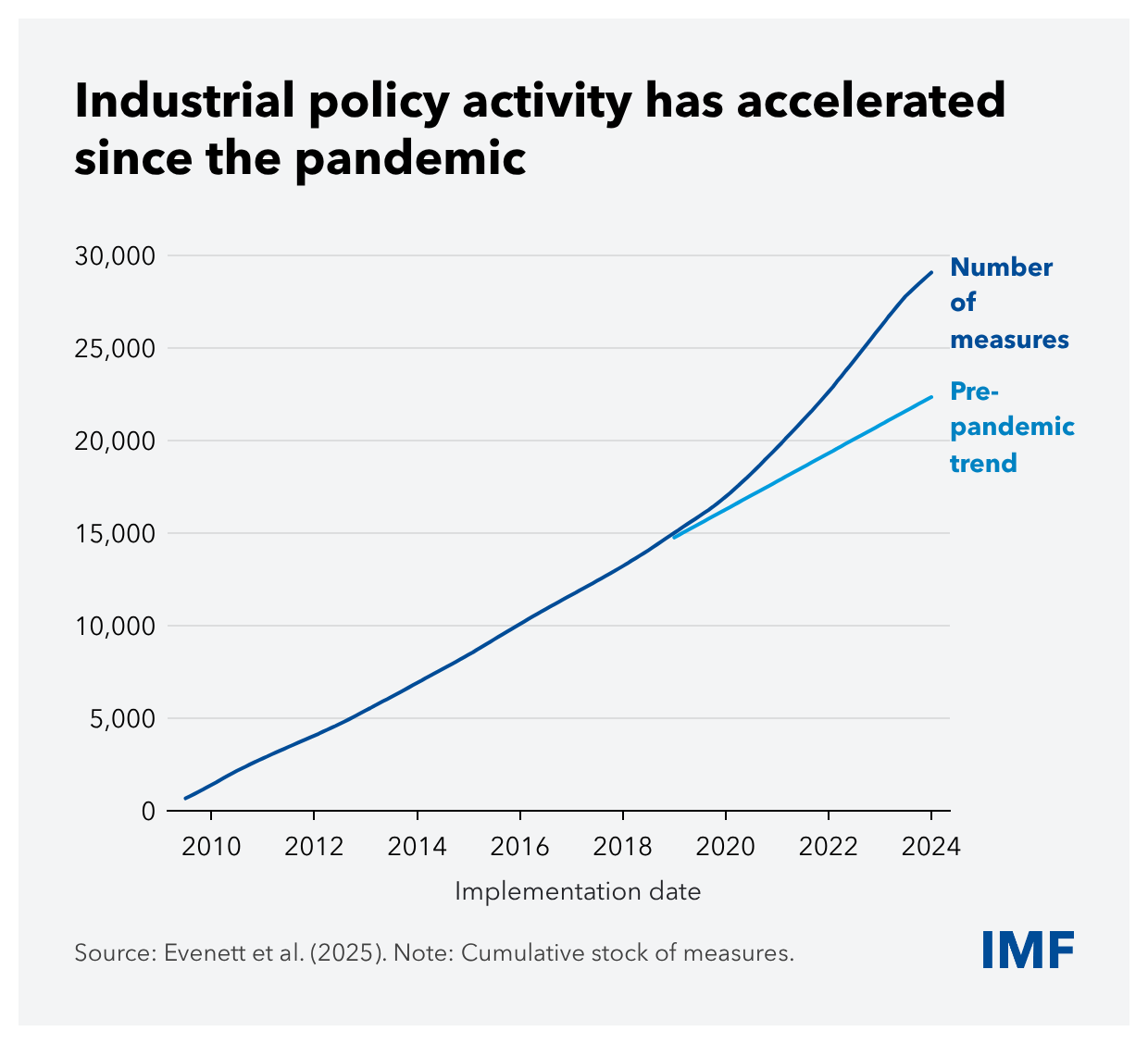
Industrial policy refers to government actions designed to support specific industries, companies, or sectors through subsidies, export incentives, tax breaks, and other forms of assistance. According to IMF economists Adam Jakubik, Florence Jaumotte, Samuel Pienknagura, and Michele Ruta, the use of these policies has surged dramatically since the COVID-19 pandemic and continues to expand amid ongoing geopolitical tensions and global conflicts.
The IMF’s New Industrial Policy Observatory (NIPO), developed in partnership with Global Trade Alert, tracked more than 52,000 industrial policy interventions across 75 countries since 2009. Researchers found that the number of new measures introduced in recent years is now approximately 2.5 times higher than pre-pandemic levels.
Why Governments Are Intervening
Historically, governments used industrial policy primarily to boost competitiveness and support climate-related initiatives. Since 2020, however, motivations have shifted significantly. Policymakers are increasingly focused on supply chain resilience, national security concerns, and reducing dependence on geopolitical rivals.
The IMF notes that recent conflicts and geopolitical instability have accelerated this trend. Governments are no longer solely attempting to create stronger industries; they are also seeking to protect strategic sectors and ensure access to critical goods and resources during periods of disruption.
Mixed Results Raise Questions
While industrial policy can improve competitiveness in targeted sectors, the IMF’s research found that those gains are often temporary. The strongest benefits tend to occur in industries that were already competitive before receiving government support.
The study found that subsidies can encourage firms to increase capital investment, but improvements in productivity and output frequently fade after a few years. Export incentives showed little direct impact on firm performance, though they sometimes helped shift resources toward more productive companies over time.
However, not all findings were negative. Policies tied to green energy transitions and supply chain resilience produced stronger and more durable results. Industrial policies targeting key components within supply chains also appeared to be more effective than measures aimed directly at final products.
Structural Reforms May Offer Greater Returns
Perhaps the IMF’s most significant conclusion is that broader economic reforms often produce larger and more lasting benefits than targeted industrial interventions.
According to the analysis, institutional and regulatory reforms can increase output in inefficient industries by as much as 10 percent over the medium term—roughly five times the improvement typically associated with industrial policy measures. Financial reforms also tend to help industries facing credit constraints.
The report argues that while industrial policy can play a useful role in addressing market failures, governments should avoid relying on it as a primary economic strategy without strengthening broader economic fundamentals.
Global Risks of Subsidy Competition
The IMF also warned about unintended international consequences. When one nation heavily subsidizes a strategic industry, other countries often respond with their own support programs. This can create costly subsidy races that distort markets and reduce overall global efficiency.
Researchers cautioned that industrial policies can also contribute to global economic imbalances when governments use them to redirect resources toward export surpluses or increase national savings. Managing these challenges will require international cooperation at a time when geopolitical tensions continue to rise.
The Bottom Line
The IMF’s findings suggest that industrial policy is likely here to stay, but policymakers should temper expectations. Success depends heavily on thoughtful design, strong institutions, sound economic fundamentals, and international coordination. While targeted government support can generate benefits under the right conditions, the evidence shows that lasting economic growth is more often driven by broader structural reforms than by subsidies alone.
As nations navigate an increasingly uncertain global economy, the challenge will be finding the right balance between strategic intervention and market-driven growth. 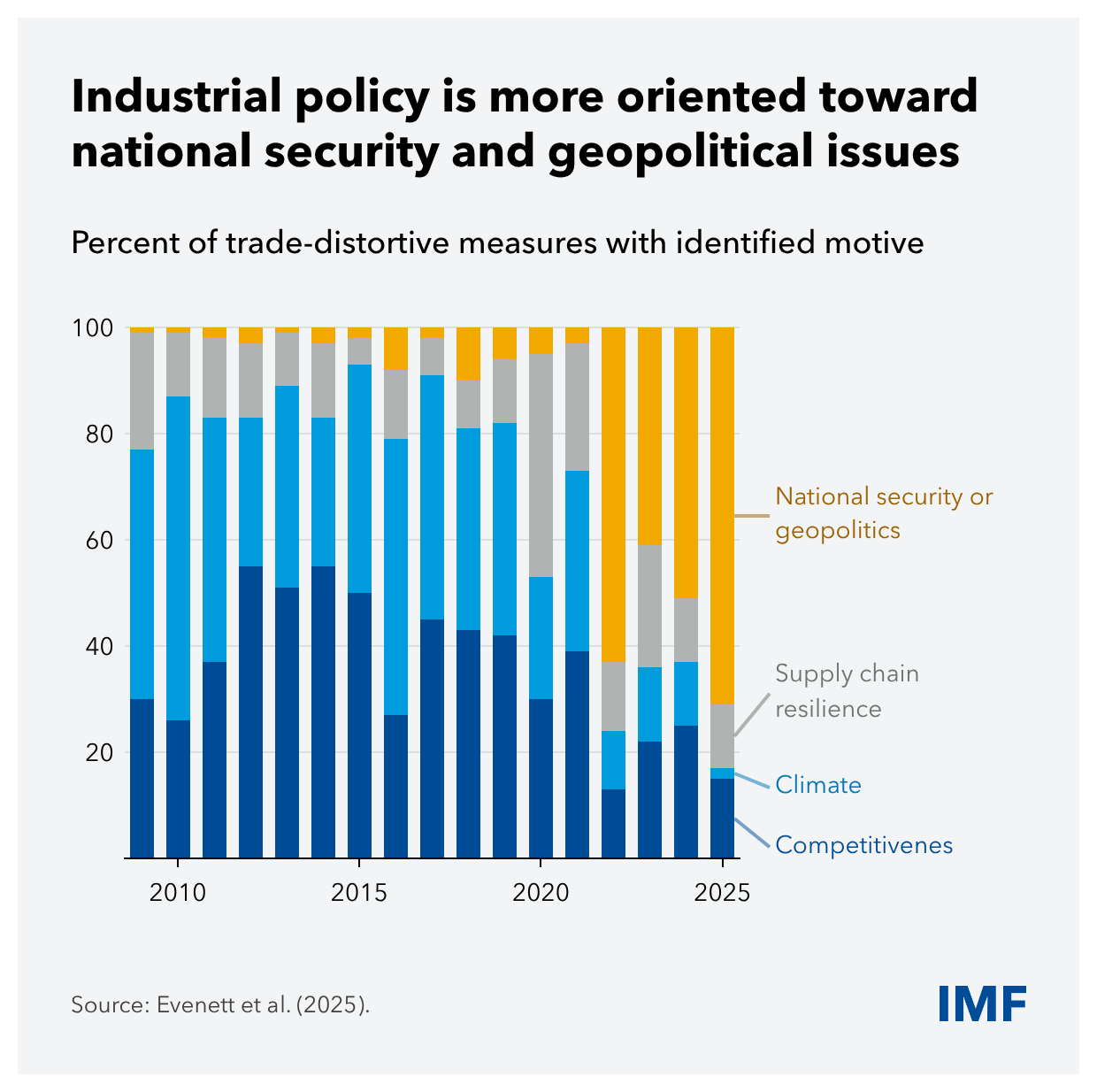




More Stories
Great Hearts Academy in Buckeye Evacuated Following Bomb Threat
Fromm Recalls Canned Dog Food Over Possible Metal Contamination
The ICC strongly rejects new US sanctions designations