

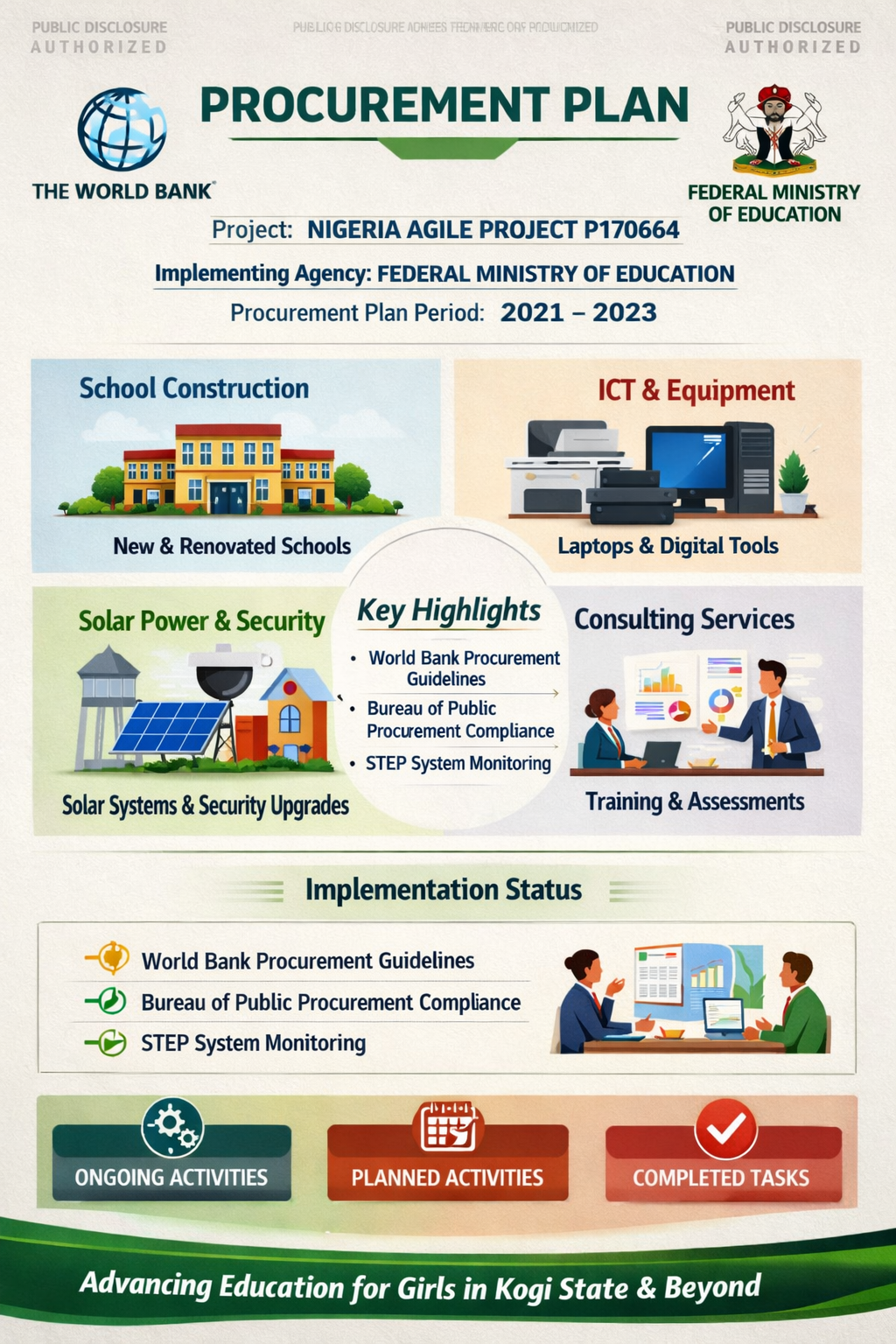
Nigeria’s Adolescent Girls Initiative for Learning and Empowerment (AGILE) Project (P170664) represents one of the country’s most ambitious education-focused investments, targeting systemic improvements and expanded access to safe, inclusive learning environments for girls. Newly circulated procurement planning records offer insight into how federal and state-level agencies are structuring implementation, spending priorities, and vendor engagement.
Project Background
The AGILE Project, backed by the International Development Association (IDA) of the World Bank Group, is designed to reduce barriers preventing adolescent girls from accessing and completing secondary education. The initiative combines infrastructure expansion, safety improvements, digital access, behavioral change programs, and institutional strengthening.
At the federal level, the Federal Ministry of Education serves as the primary implementation authority, while state-specific bodies — such as the Kogi AGILE Additional Financing Delivery Framework (KOGI AGILE ADF) — oversee localized execution.
Procurement Framework and Compliance
The procurement plan aligns with the World Bank Procurement Regulations for IPF Borrowers (July 2016). A central feature of this framework is the mandatory use of the Systematic Tracking and Exchanges in Procurement (STEP)platform.
Key compliance mechanisms include:
-
STEP Platform Usage
All procurement planning, approvals, updates, and transactions are managed through STEP, ensuring transparency and auditability. -
Standard Procurement Documents (SPD)
International competitive procurements require World Bank SPDs. -
National Procurement Procedures
Where contracts target the national market, Nigeria’s Public Procurement Act (PPA 2007) procedures may apply, subject to World Bank oversight rules. -
Explicit Exclusions
The plan specifies that leasing arrangements and second-hand goods procurement are not applicable. -
Domestic Preference
Domestic preference provisions for goods and works are also marked as not applicable.
Major Works and Infrastructure Investments
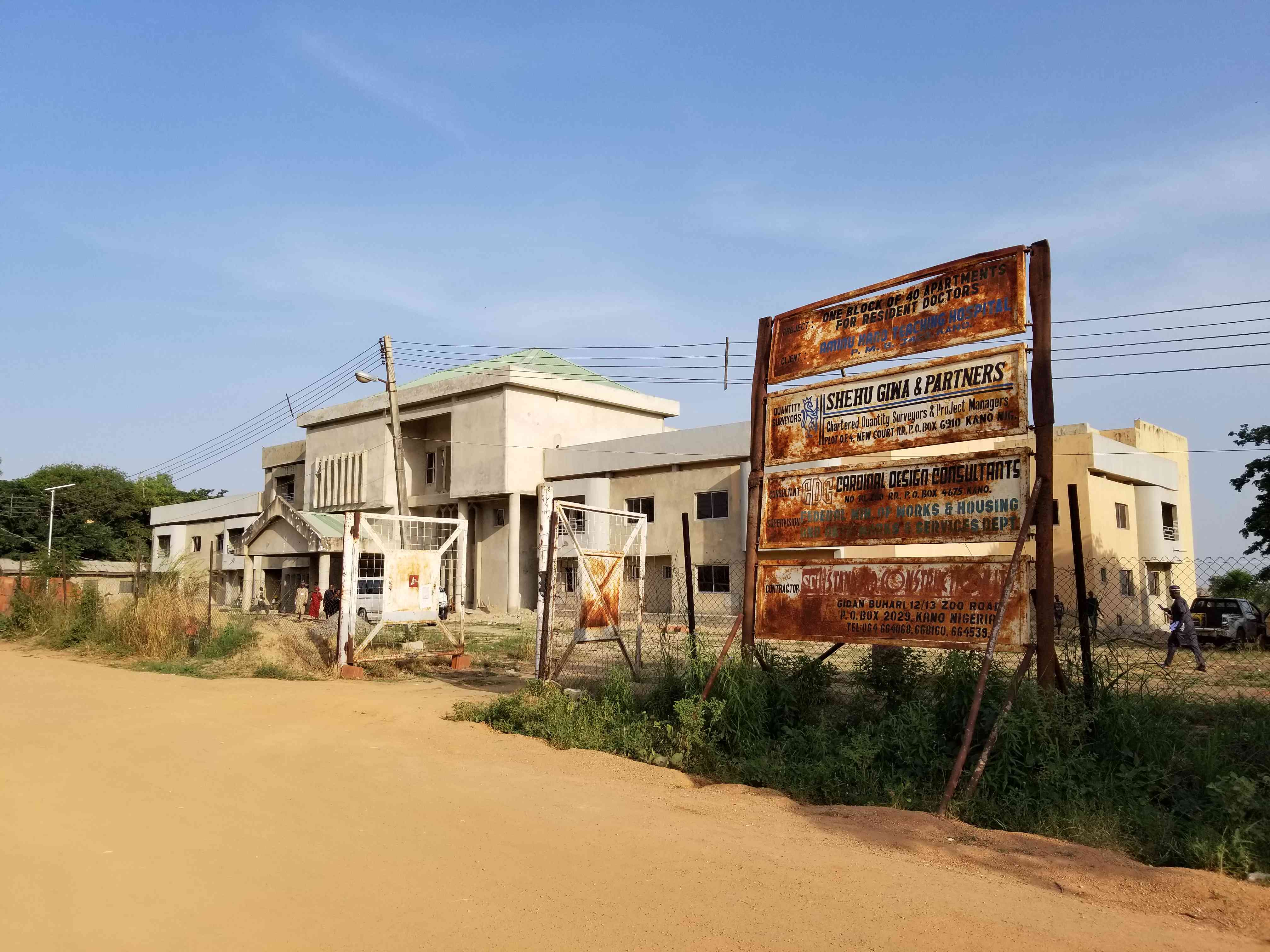
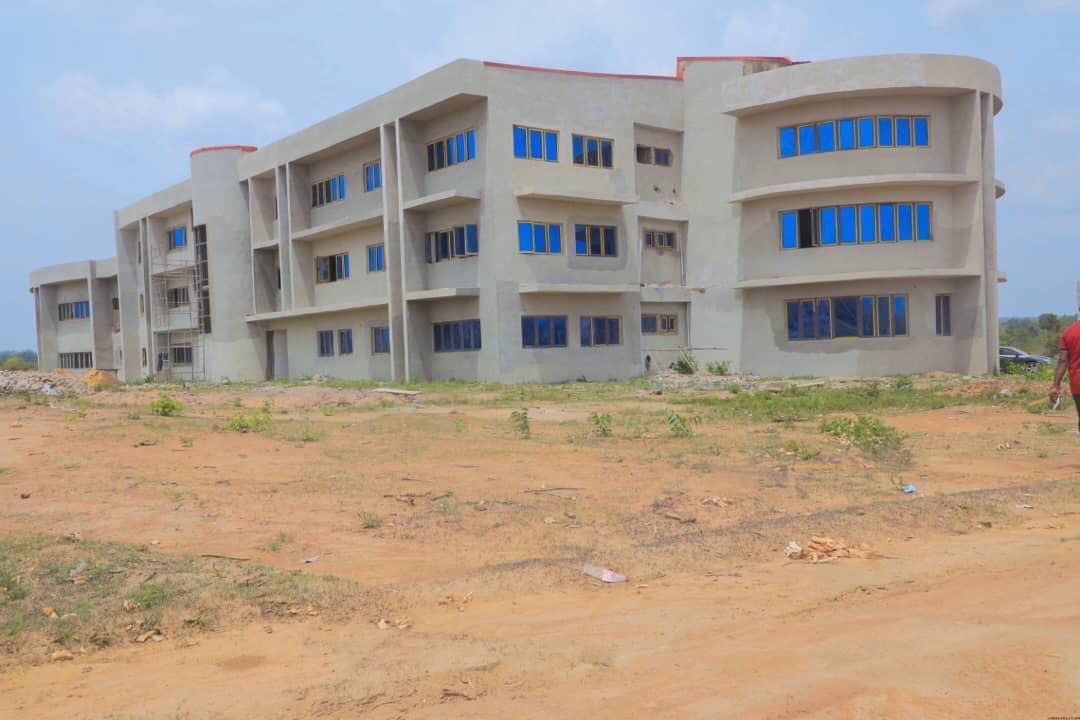

Infrastructure development remains the most financially significant component of the procurement plan.
School Construction Projects
Several large-scale projects target new school builds across Kogi State:
-
Construction of 15 Junior Secondary Schools (JSS) and 15 Senior Secondary Schools (SSS)
Executed under open national competitive bidding. -
Multi-LGA Construction Programs
Projects distributed across 21 Local Government Areas (LGAs) emphasize geographic equity and expanded access.
Some construction packages show canceled and pending implementation statuses, highlighting common challenges in large public-sector infrastructure projects, including funding cycles, design revisions, and compliance reviews.
Security and Facility Upgrades
Procurement records indicate targeted improvements to administrative and operational facilities:
-
Renovation and installation of security apparatus at PIU/SPIU offices
-
Borehole drilling and water reticulation systems
-
Installation of 10,000-liter water storage tanks
These projects support operational continuity and staff safety — critical elements often overlooked in public project narratives.
Goods Procurement: Digital and Operational Capacity


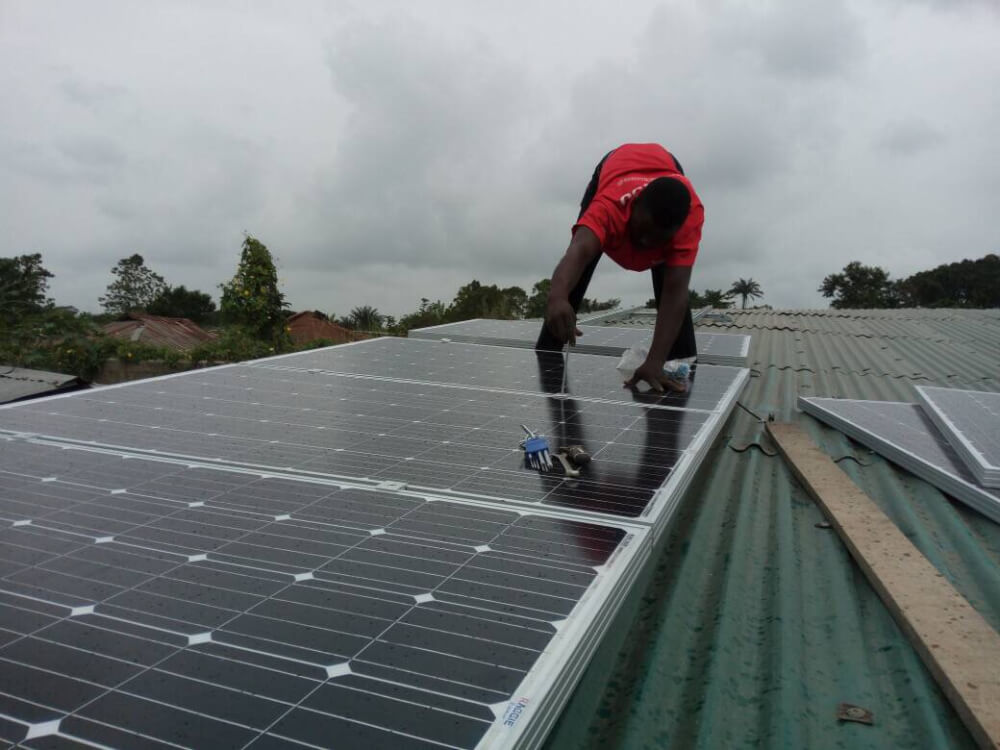
Goods procurement within AGILE focuses heavily on digital access and institutional functionality.
ICT and Connectivity
Examples include:
-
Laptops, desktops, printers, and photocopiers
-
Internet connectivity for 40 schools
-
GPS devices and cameras for field operations
Energy and Power Solutions
Multiple entries reference:
-
Solar power installations
-
Generator procurement
-
Power backup systems for SPIU operations
This reflects a broader recognition of Nigeria’s infrastructure constraints and the need for off-grid reliability.
Educational Equipment Distribution
-
Deployment of All-in-One Desktop Computers to schools
-
Projectors and projection boards
-
Learning and vocational resource kits
Consulting Services: Strategy and Safeguards
Consulting engagements form a substantial portion of the plan, particularly for compliance, safety, and behavioral interventions.
Highlighted assignments include:
-
Environmental and Social Management Plans (ESMP)
-
Site-specific security risk assessments
-
Development of social norms strategies
-
Statewide behavioral change campaigns
-
Monitoring and evaluation system strengthening
Most consulting contracts use Consultant Qualification Selection (CQS) methods within national markets.
Individual Consultant Engagements
Specialized consulting roles address programmatic and gender-focused objectives:
-
Micro-assessments on vocational skills for women and girls
-
Financial literacy and bookkeeping training
-
Girls’ empowerment policy development
-
Health and dignity initiatives, including sanitary pad distribution frameworks
Statuses range from completed to pending implementation, suggesting staggered project phases.
Financial Patterns and Process Status
The procurement tables reveal important operational dynamics:
-
Numerous activities list Actual Amount (US$): 0.00, implying:
-
Early-stage planning
-
Delayed disbursements
-
Contracts not yet finalized
-
-
Mixed process statuses:
-
Completed
-
Signed
-
Under Implementation
-
Pending Implementation
-
Canceled
-
Such variability is typical in multi-year development projects where approvals, safeguards, and budget cycles interact.
Why This Matters
Procurement plans are more than administrative documents — they are blueprints of government priorities and development strategy. In AGILE’s case, they reveal:
✅ Heavy emphasis on physical learning environments
✅ Strong investment in digital access and power stability
✅ Significant behavioral and social intervention components
✅ Extensive compliance with World Bank governance systems
For observers of Nigerian education policy, development finance, or public-sector transparency, these records offer a rare operational window into how large donor-supported projects move from policy goals to tangible actions.
As Nigeria continues scaling education reforms, the effectiveness of projects like AGILE will depend not just on funding levels, but on execution efficiency, procurement integrity, and sustained institutional capacity.
More Stories
ICC Deputy Prosecutor concludes mission to Nigeria, signing a Memorandum of Understanding to enhance complementarity
The ASP President expresses concern over recent media reports regarding the ongoing disciplinary process involving the ICC Prosecutor
ICC hosts Focal Points Retreat of Asia-Pacific Academic Forum