





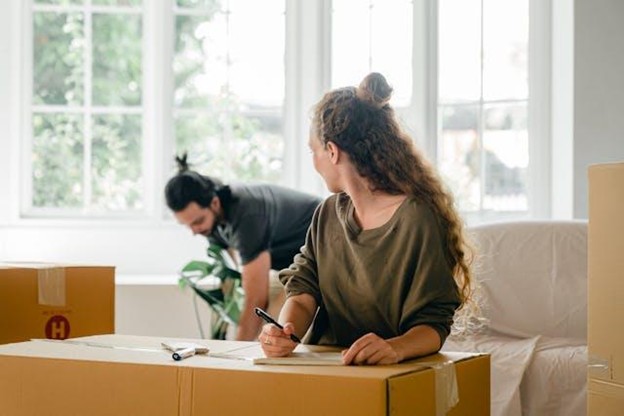
Moving to a new place changes daily life in ways people rarely expect. A new street, new neighbors, and new routines slowly shape how someone thinks and acts. Many people notice that new environments change habits and perspectives soon after they unpack their boxes. The change does not happen in one moment. It grows through daily experiences and new situations. A person may walk different routes, try new food, or speak with unfamiliar people. Each small step affects habits and outlook. Over time, the move becomes a turning point that shapes how someone sees the world.
Adjusting to the Feeling of a New Chapter
Relocation often feels symbolic because it marks the start of a new chapter in life. People leave familiar routines and begin fresh patterns in a new place. This shift pushes individuals to rethink how they spend their time. A new neighborhood may encourage more walking or outdoor activity. A different city schedule can also change work habits and sleep patterns. Many people feel both excitement and uncertainty during the first weeks. That mix of emotions helps people reflect on what they want from their new life.
Adapting Step by Step to an Unfamiliar Surrounding
Many people focus on getting used to a new environment after they move. Daily life requires new decisions that once felt automatic. People must learn where stores are, how transport works, and how neighbors interact. Some individuals also experience culture shock after moving, even within the same country. New social norms can surprise newcomers and confuse them at first. Over time, observation and practice build comfort in the new setting. Each adjustment strengthens confidence and helps people feel more at home.
New Surroundings Encourage Different Daily Routines
A move often reshapes daily schedules in clear ways. People may wake earlier because commuting patterns change. Others discover parks or walking paths that encourage exercise. New grocery stores also influence meal choices and cooking habits. A different climate can shape clothing, sleep, and outdoor activity. These small adjustments slowly create new routines. Within a few months, the lifestyle of the new location begins to feel normal.
Social Connections Help Newcomers Feel at Home
Social contact plays a strong role in adapting to a new location. Many people try to build a community and make connections as soon as possible after moving. Friendly conversations with neighbors help reduce feelings of isolation. Local events or clubs often provide easy opportunities to meet people. Workplaces also help newcomers form early connections. Each new relationship brings a sense of belonging. That feeling supports emotional comfort and helps people adjust faster.
Fresh Places Inspire New Interests and Activities
A new city or town often exposes people to activities they never considered before: local parks, gyms, or cultural events open doors to different hobbies. Someone who rarely exercises may start hiking because trails sit nearby. Others might attend community workshops or art classes. These opportunities introduce skills and interests that did not exist before the move. Over time, hobbies become part of daily identity. The environment quietly shapes how people spend their free time.
Finding Emotional Stability While Managing Moving Stress
Relocation brings excitement, yet it also creates pressure. Learning to cope with moving stress helps people settle more smoothly. Packing, paperwork, and logistics can overwhelm anyone during the early weeks. Many people also miss friends and family from their previous home. Simple routines such as walking, journaling, or talking with loved ones can ease tension. Stress usually fades as familiarity grows. Emotional balance returns once daily life becomes predictable again.
New Environments Change Habits And Perspectives in Unexpected Ways
People often notice deeper mental shifts months after a move. New environments change habits and perspectives through exposure to different ideas and lifestyles. A new workplace may introduce unfamiliar viewpoints or work styles. Local traditions may also shape how people celebrate events or spend weekends. Observing these differences encourages reflection about personal beliefs. Many individuals become more open and flexible through this process. The change grows gradually through daily interaction with the new setting.
Food, Culture, and Local Customs Influence Lifestyle
Food habits often shift after relocation. Local markets introduce ingredients people may never have used before. Restaurants also reflect regional culture and cooking traditions. Trying new meals becomes a simple way to explore the area. Cultural customs can also shape daily choices and social behavior. People may adjust how they greet neighbors or spend holidays. These experiences broaden understanding and add variety to daily life.
Personal Growth Appears Through Daily Experiences
Living in a different place encourages self-reflection and learning. People face situations that test patience, confidence, and adaptability. Small successes build self-trust and independence. In many cases, individuals realize that new environments change habits and perspectives by pushing them outside old comfort zones. The move becomes a teacher through real experience. People learn to solve problems and manage unfamiliar tasks. That growth often stays with them long after they settle in.
Work and Career Paths May Shift After Relocation
Professional life often changes after moving to a new place. A different city may offer new industries or career opportunities. People sometimes explore roles they never considered before. Workplace culture also influences habits and productivity. New colleagues bring fresh ideas and problem-solving approaches. Exposure to these differences expands professional skills. Many individuals feel renewed motivation in their careers after relocation.
Children and Families Experience the Change Differently
Families often notice unique adjustments when they move. Children must adapt to new schools, classmates, and routines. Parents support them while also adjusting their own schedules. Family conversations often focus on exploration and discovery in a new area. Shared experiences help everyone adapt more smoothly. Weekend outings become opportunities to learn about the neighborhood. Over time, the new place begins to feel familiar for the whole family.
Lasting Lessons From Relocation
Life after moving often reveals lessons people never expected. Daily routines evolve as people adapt to their surroundings. New relationships, activities, and experiences reshape how someone sees life. Over time, individuals recognize that new environments change habits and perspectives in deep and lasting ways. The process may begin with uncertainty, but it leads to growth. Each challenge builds resilience and understanding. In the end, the new place becomes more than a location; it becomes part of who someone is.




More Stories
How Change Sparks Creativity in Unexpected Ways
Moving With Pets? Design-Friendly Tips For An Easier Move
Seasonal Storage Solutions That Keep Your House Clutter-Free